

According to the preliminary results of the midterm elections, the Democrats have won a majority in both chambers of the US Congress. President Donald Trump stated that he recognizes the election results. Starting January 3, 2027, the Republican presidency and Congress will thus be controlled by different parties.
All 435 seats in the House of Representatives and 35 of the 100 seats in the Senate are up for election. The exact extent of the victory is still unclear, but the Democrats could hold 250 seats in the House and 55 in the Senate in the future. According to a preliminary result from CNN on Wednesday morning, the count stood at 206 to 122 in the House and 53 to 41 in the Senate.
The remarkable thing about the midterm results: the Democrats also won in several traditionally Republican states, such as Texas. The high cost of living is likely to have been the decisive factor for the significant shift in power. The war in Iran has caused energy prices to rise, while tariffs have made numerous imported goods more expensive. In addition, there was broader dissatisfaction with the President’s conduct in office.
An exit poll published by several US media outlets clearly showed the extent of voter resentment toward Trump’s policies. Three-quarters described themselves as “angry” or “dissatisfied” with the country’s development. Furthermore, 70 percent of those surveyed want Congress to exercise greater oversight of the President. These were the findings of surveys conducted by the SSRS institute on behalf of a consortium of US media outlets, including major television networks and the AP news agency.
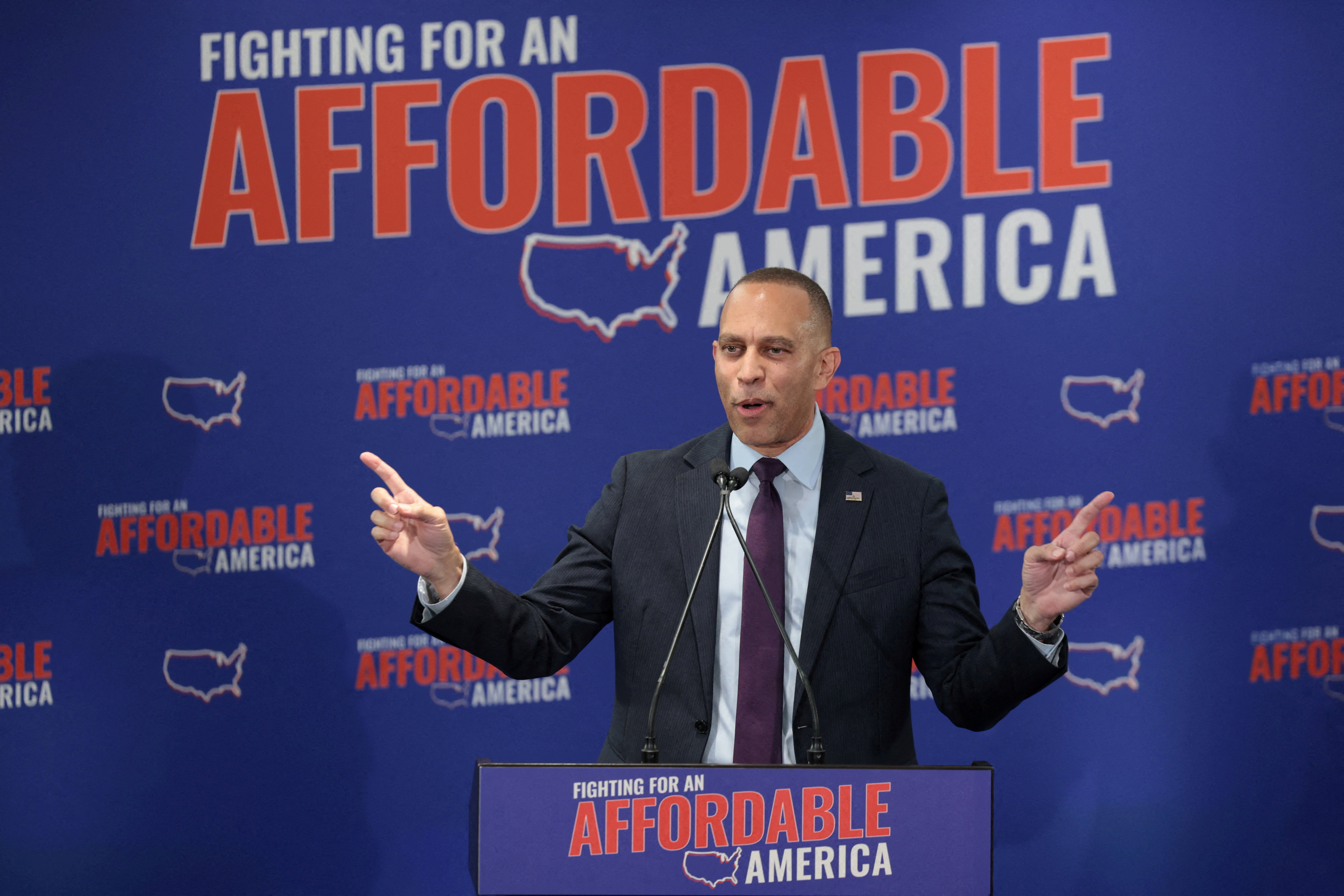
Trump intends to cooperate with Democrats but also threatens vetoes
“Congratulations to the Democrats. They did a good job,” Trump said in an initial reaction to Fox News. According to him, the Democrats had worked toward this moment for a long time; now the US President wants to work with them. “We will work with the Democrats and look forward to working with them,” Trump told the New York Times.
At the same time, the US President struck a less conciliatory tone, as reported by the Reuters news agency: “The Democrats will come up with crazy proposals and I will veto them.” As a signal to his supporters, he also posted an image on online media of a red baseball cap emblazoned with the word “VETO” in white capital letters. “If we don’t win, I’ll veto everything,” he threatened before the elections in a New York Post podcast.
The President remains powerful, but no longer unrestricted
The election outcome does not end the President’s executive authority. Trump remains head of the executive branch, commander-in-chief of the armed forces, and a central actor in foreign policy. He can continue to set policy priorities for federal agencies, enforce existing laws, and issue executive orders.
However, he will be significantly restricted in all areas where he relies on new legislation, additional budget funds, or Senate approval. The Democrats will now control the legislative agenda and the committees of both chambers. They can block White House initiatives, launch investigations, subpoena government officials, and demand the release of documents.
The Democratic majority in the Senate has a particularly immediate impact. Federal judges, cabinet members, ambassadors, and numerous other high-ranking officials require its approval. The Democrats can reject candidates or delay their confirmation. The President can therefore no longer reshape the judiciary and administration without the participation of the opposition.
Conversely, the Democrats cannot push through their own agenda without restriction either. New laws generally require the President’s signature. A veto can only be overridden with a two-thirds majority in both chambers. For most regular legislation, 60 votes are effectively required in the Senate to end a filibuster. Therefore, political gridlock and occasional bipartisan compromises are more likely than a comprehensive Democratic reform agenda.
Decrees and budget policy
Trump can continue to issue executive orders. However, these must be based on constitutional or statutory authority. They can direct the implementation of existing laws but cannot create new laws, repeal current law, or authorize additional budget funds.
Congress can monitor executive actions through oversight and investigations and limit their funding. Courts can stay decrees if they exceed statutory powers or violate prescribed procedures. The President thus remains capable of acting, but his measures will be subject to stronger political oversight, more easily limited financially, and more legally vulnerable.
The most important instrument of power for Congress is the power of the purse. The Democrats can cut, deny, or attach conditions to funds for border protection, deportations, defense programs, foreign aid, and the President’s special projects.
Budget bills also require the President’s approval. Without a compromise, there is a risk of stopgap funding and government shutdowns. A legislative agreement is also required for the debt ceiling. The budget and state financing are therefore likely to become the most important areas of conflict between Congress and the White House.
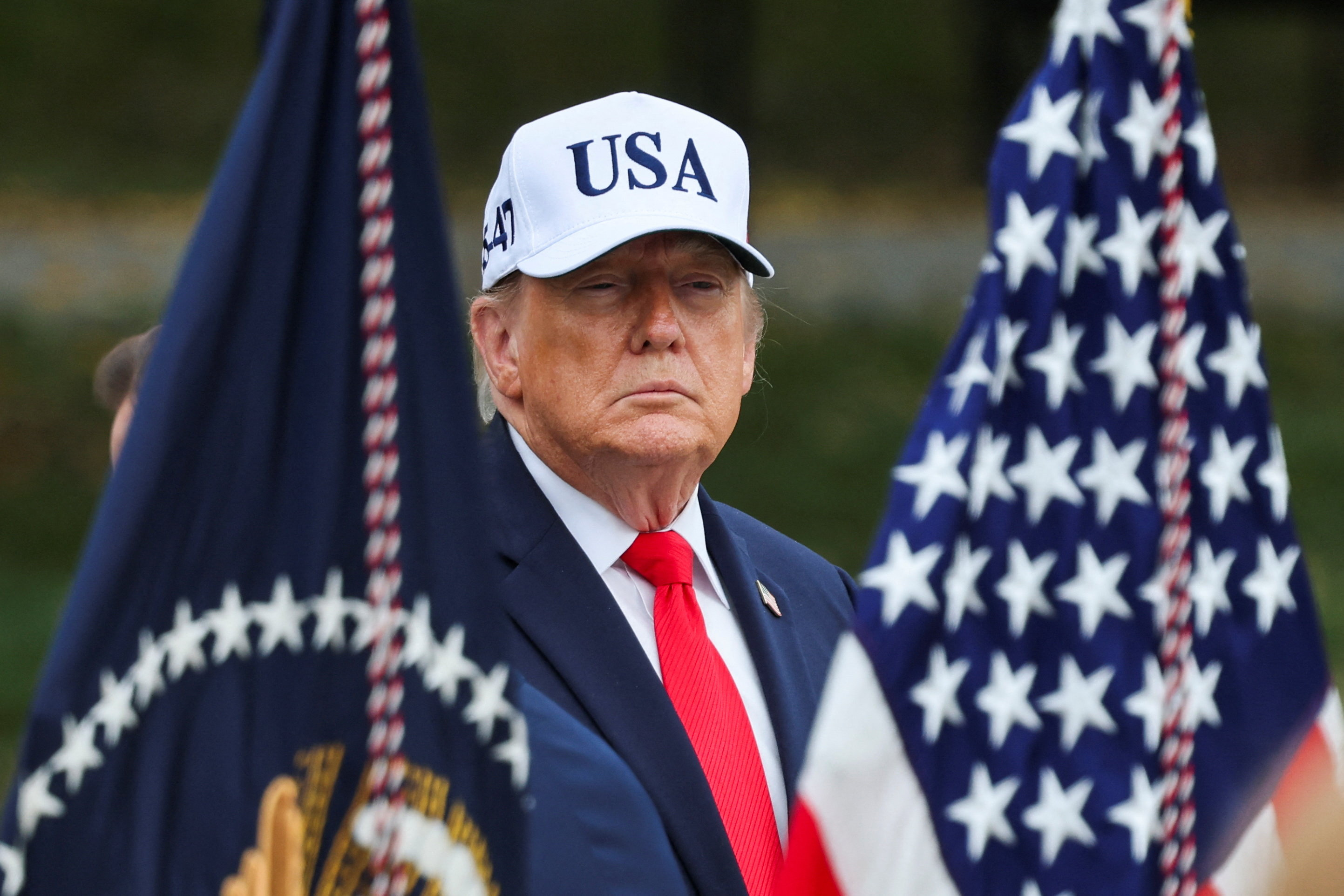
Significant leeway in foreign policy
In foreign policy, the President remains significantly more capable of acting than in domestic and budget policy. He conducts diplomacy, represents the United States internationally, and, as commander-in-chief, decides on the operational leadership of the armed forces. Within existing legal authorizations, he can also use sanctions, export controls, and tariffs.
This leeway is nevertheless limited. Congress decides on statutory authorizations for the use of force and the financing of longer-term military operations. International treaties require the approval of two-thirds of the senators present.
For the war with Iran, this means: the President retains operational control and can react militarily in the short term. However, a longer-term expansion of the war would be more difficult without additional funding from Congress. The Democrats could demand an explicit mandate, limit funds to specific purposes, or set temporal and geographical requirements. How effective this oversight is depends on whether Congress is actually prepared to withhold funding.
Impact on key policy areas
In the area of artificial intelligence, more hearings and investigations into model risks, data protection, deepfakes, algorithmic discrimination, and the consequences for the labor market are to be expected. Requirements for transparency, external model testing, the labeling of AI-generated content, and the protection of children and consumers are conceivable. However, comprehensive national AI regulation remains unlikely due to the President’s veto power and the filibuster. Limited, bipartisan measures on cybersecurity, national security, and government procurement have a better chance.
In energy and climate policy, the Democrats can make it harder to roll back existing subsidies for renewable energy, power grids, and storage. On the other hand, new comprehensive climate laws are hardly realistic against the President’s resistance.
In health policy, the likelihood of major cuts to Medicaid and the Affordable Care Act decreases. At the same time, pressure on drug prices, insurers, and hospital operators is likely to increase.
In immigration policy, Congress can block new restrictive laws and limit funding for detention centers, deportation capacities, and border infrastructure. However, the government retains significant enforcement powers based on existing laws.
Impact on the financial markets
There are few exactly comparable historical precedents for the current constellation. Following the three midterm elections since 1980 in which a Republican president subsequently governed with a Democrat-controlled Congress, the S&P 500 was an average of 10.9 percent higher twelve months later. However, due to the very small sample size, this figure has little predictive power.
Broader studies on phases of divided political power also do not provide a uniform result. Furthermore, historical correlations do not prove a causal influence of majority ratios on the financial markets. Therefore, no reliable directional signal can be derived from the election result alone.
In the short term, divided power makes major changes to taxes and spending more difficult. This reduces the risk of abrupt economic policy interventions but increases the likelihood of budget conflicts, government shutdowns, and disputes over the debt ceiling.
A sustainable reduction of the high government deficit would likely also require additional tax revenue. Significant tax increases, particularly for corporations, would reduce after-tax profits and could weigh on the stock market. However, their implementation is unlikely in the current constellation, as the President could block such laws with his veto.
From enforcement to negotiation
The Republican grip on federal policy has ended. The President remains a powerful actor, particularly in the executive branch and foreign policy, but can no longer implement new laws, additional spending, and key personnel decisions without the approval of the Democratic Congress.
The power of the Democrats lies less in the enforcement of a comprehensive agenda of their own than in the ability to block legislation, funding, and personnel, as well as to exercise intensive oversight of the government.
For the financial markets, this political constellation is not an independent directional signal. The decisive factor will be whether divided power leads to viable compromises or to persistent budget conflicts, and how this affects the deficit, inflation, corporate profits, and long-term interest rates.
Legal disclaimer
This document is an advertisement. Unless indicated otherwise, source: Erste Asset Management GmbH. The language of communication of the sales offices is German and the languages of communication of the Management Company also include English.
The prospectus for UCITS funds (including any amendments) is prepared and published in accordance with the provisions of the InvFG 2011 as amended. Information for Investors pursuant to § 21 AIFMG is prepared for the alternative investment funds (AIF) administered by Erste Asset Management GmbH pursuant to the provisions of the AIFMG in conjunction with the InvFG 2011.
The currently valid versions of the prospectus, the Information for Investors pursuant to § 21 AIFMG, and the key information document can be found on the website www.erste-am.com under “Mandatory publications” and can be obtained free of charge by interested investors at the offices of the Management Company and at the offices of the depositary bank. The exact date of the most recent publication of the prospectus, the languages in which the fund prospectus or the Information for Investors pursuant to Art 21 AIFMG and the key information document are available, and any other locations where the documents can be obtained are indicated on the website www.erste-am.com. A summary of the investor rights is available in German and English on the website www.erste-am.com/investor-rights and can also be obtained from the Management Company.
The Management Company can decide to suspend the provisions it has taken for the sale of unit certificates in other countries in accordance with the regulatory requirements.
Note: You are about to purchase a product that may be difficult to understand. We recommend that you read the indicated fund documents before making an investment decision. In addition to the locations listed above, you can obtain these documents free of charge at the offices of the referring Sparkassen bank and the offices of Erste Bank der oesterreichischen Sparkassen AG. You can also access these documents electronically at www.erste-am.com.
Our analyses and conclusions are general in nature and do not take into account the individual characteristics of our investors in terms of earnings, taxation, experience and knowledge, investment objective, financial position, capacity for loss, and risk tolerance. Past performance is not a reliable indicator of the future performance of a fund.
Please note: Investments in securities entail risks in addition to the opportunities presented here. The value of units and their earnings can rise and fall. Changes in exchange rates can also have a positive or negative effect on the value of an investment. For this reason, you may receive less than your originally invested amount when you redeem your units. Persons who are interested in purchasing units in investment funds are advised to read the current fund prospectus(es) and the Information for Investors pursuant to § 21 AIFMG, especially the risk notices they contain, before making an investment decision. If the fund currency is different than the investor’s home currency, changes in the relevant exchange rate can positively or negatively influence the value of the investment and the amount of the costs associated with the fund in the home currency.
We are not permitted to directly or indirectly offer, sell, transfer, or deliver this financial product to natural or legal persons whose place of residence or domicile is located in a country where this is legally prohibited. In this case, we may not provide any product information, either.
Please consult the corresponding information in the fund prospectus and the Information for Investors pursuant to § 21 AIFMG for restrictions on the sale of the fund to American or Russian citizens.
It is expressly noted that this communication does not provide any investment recommendations, but only expresses our current market assessment. Thus, this communication is not a substitute for investment advice.
This document does not represent a sales activity of the Management Company and therefore may not be construed as an offer for the purchase or sale of financial or investment instruments.
Erste Asset Management GmbH is affiliated with the Erste Bank and austrian Sparkassen banks.
Please also read the “Information about us and our securities services” published by your bank.
More on the topic

Five years since Covid hit: a historic crash, and the lessons learned
This week marks the fifth anniversary of the low point of the coronavirus crash. In February and March 2020, global financial markets experienced one of the fastest downturns in history. The coronavirus crisis brought the economy to a virtual standstill and caused a massive decline in stock prices, unsettling many investors.
Our new blog post looks back at the events that led to this crash and analyses what lessons investors can learn from the Covid crash. Because as quickly as prices fell, they were also largely able to recover the losses.