
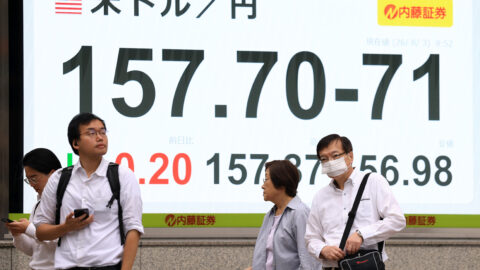
Following its recent 40-year low, the Japanese yen has stabilised for the time being thanks to intervention by Japan and the US in the foreign exchange market. In July, the yen had at times fallen to an exchange rate of around 164 yen to the dollar, its lowest level since the 1980s. Following a coordinated move by Japan and the US in the foreign exchange market, the yen strengthened, whilst the dollar fell below the 160-yen mark. Most recently, the yen has stabilised near these levels.
Japan has been battling against the depreciation of its currency for some time. The weak yen is driving up import prices and thereby fuelling inflation, which in turn is weighing on consumer confidence. Added to this are the rising oil prices resulting from the war in Iran: due to the weak yen, oil, being inherently expensive, is becoming even more costly for Japan’s economy with its heavy reliance on oil imports.
Please note: Past performance and prognoses are no reliable indicators of future value development. Data as of 12.8.2026
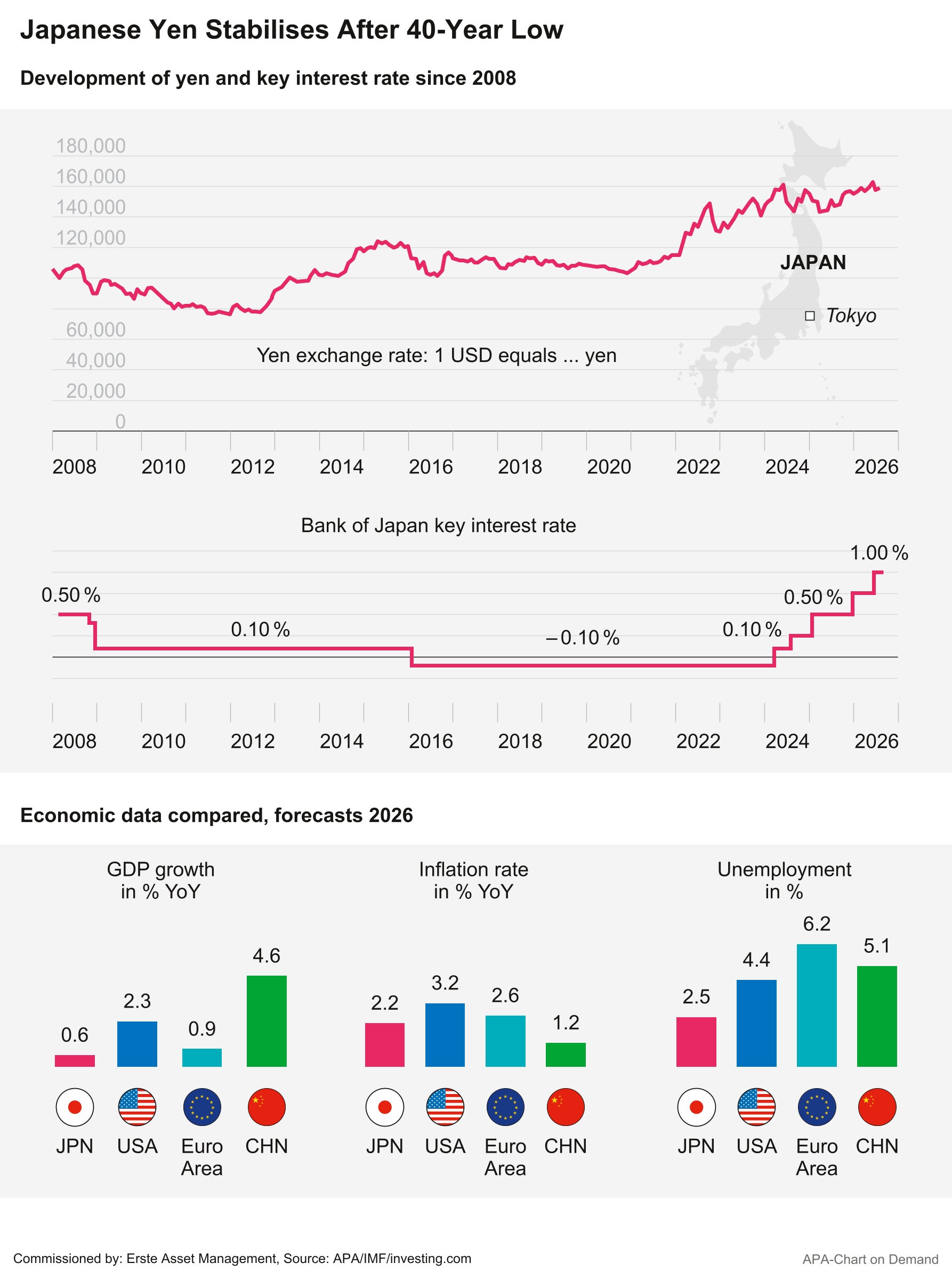
Yen suffers from hesitant approach to interest rate moves and doubts over fiscal policy
The background to the yen’s weakness is that many market participants view the Bank of Japan’s actions as too hesitant. The Bank of Japan has, however, now moved away from its zero-interest-rate policy and most recently raised its key interest rate from 0.75 to 1.0 per cent in June. This makes it the highest interest rate in 31 years.
In doing so, the central bankers have responded to the price pressures resulting from the war in Iran. However, many experts would like to see the Bank of Japan take more decisive and swift action in the fight against inflation. For example, at its last meeting in July, the central bank left interest rates unchanged.
In the foreign exchange market, the yen’s losses are also seen as reflecting doubts about the fiscal policy of Japan’s new Prime Minister, Sanae Takaichi. Despite high levels of debt, the Prime Minister intends to stimulate the economy through expansionary government spending. However, this is also fuelling concerns about the country’s financial stability.
Back in the spring, Japan had already taken several drastic measures to combat the yen’s weakness. According to data from the Ministry of Finance in Tokyo, the government intervened in the market on a total of three days between 30 April and 6 May. On 30 April alone, it sold the equivalent of 6.28 trillion yen in dollars, with just under 40 billion dollars. However, despite these record interventions, the yen’s slide could not be halted.
First joint foreign exchange market intervention with the US in 15 years
In early August, Japan finally took joint action with the US to counter the yen’s weakness as part of a concerted foreign exchange market intervention. This marks the first combined intervention by the two countries in 15 years. Back then, they had cooperated to weaken the yen following the earthquake in eastern Japan.
According to data from the Bank of Japan, Japan is thought to have sold several billion dollars against the yen this time to prop up the currency. The US, on the other hand, sold euro holdings rather than US dollars to support the Japanese currency. This was reported by the “Financial Times” newspaper and the Reuters news agency, citing foreign exchange traders. Experts believe that, with this unusual move, the US government wanted to avoid giving the impression of seeking to devalue the dollar. A weaker dollar would fuel inflation in the US, which is already above the Federal Reserve’s target.
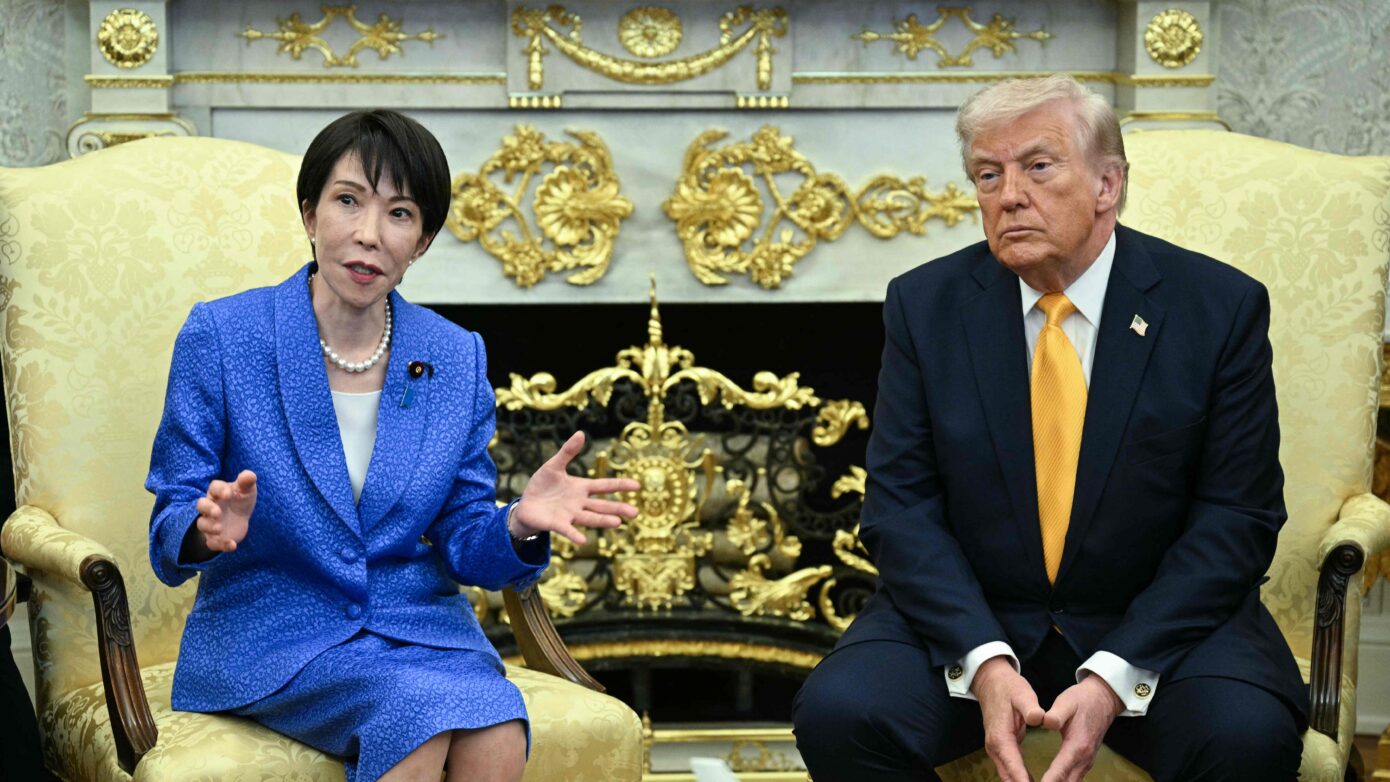
US President Donald Trump confirmed US support for the Japanese currency and described it as a sign of friendship. “They have a weakening yen, and they wanted a little bit of help. And we’re always there for Japan,” Trump said in response to a reporter’s question.
The US also stood to gain from the agreement. With holdings of 1.14 trillion dollars, Japan is the US’s largest foreign creditor. By utilising a so-called facility, Tokyo can secure dollar liquidity without having to sell its US Treasury bonds directly, which would drive up yields on the US bond market. According to experts, the move underlined both countries’ determination to prevent the global repercussions of a sell-off of the yen and Japanese government bonds. “We are in close contact with the US Treasury and will not hesitate to carry out further joint interventions,” Japan’s Ministry of Finance stated. US Treasury Secretary Scott Bessent said that Washington also wished to participate in further joint interventions. He expressed his support for Japan’s decisive steps to correct the currency’s significant undervaluation.
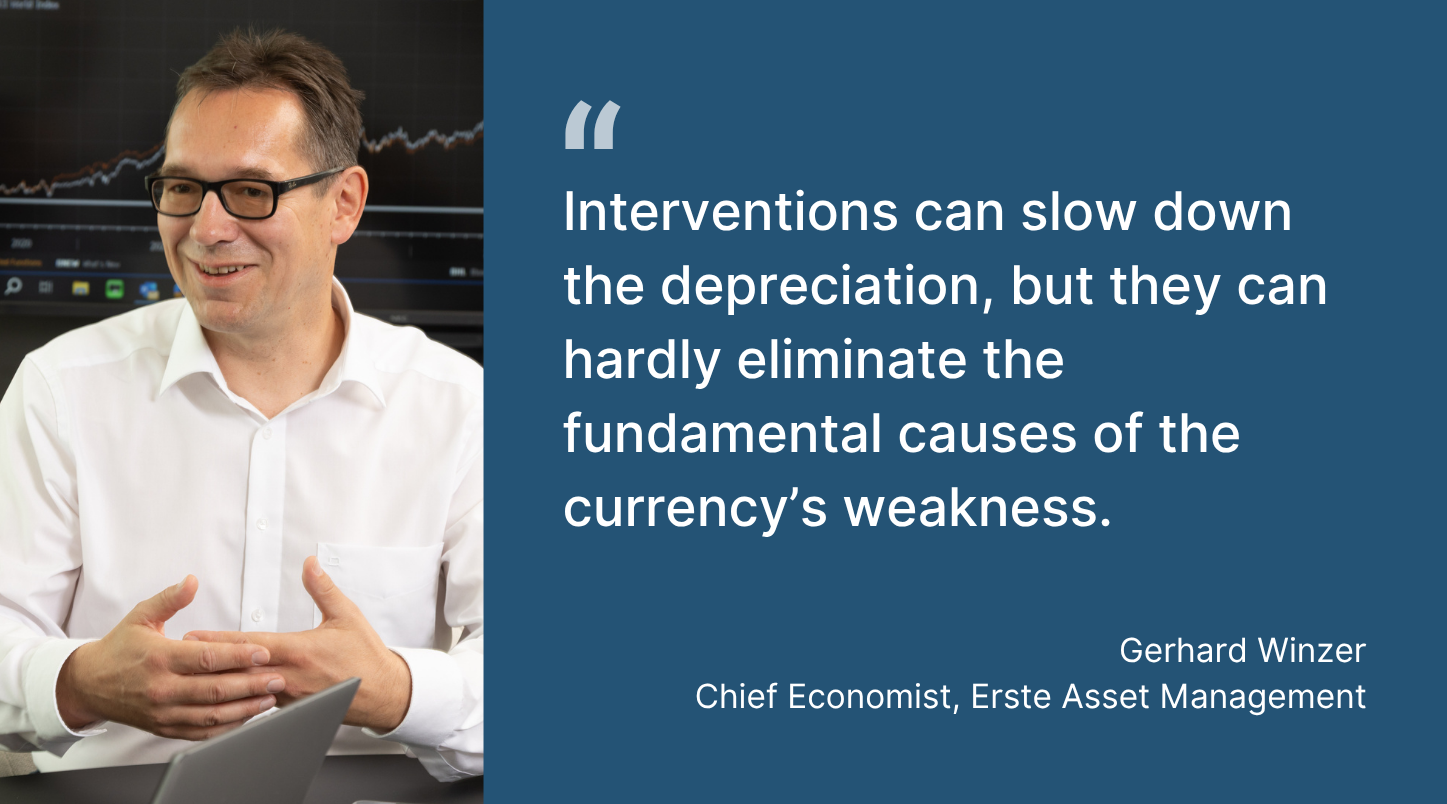
For Erste AM Chief Economist Gerhard Winzer, however, a sustained reversal in the yen’s trend remains difficult to imagine as long as monetary and fiscal policy in Japan remain expansionary. “Interventions can slow the depreciation, but they can hardly eliminate the fundamental causes of the currency’s weakness,” he comments. At the very least, Prime Minister Takaichi’s policy of expansive government spending would have to be offset by a restrictive monetary policy from the Bank of Japan. According to Winzer, this would require a key interest rate significantly above the current inflation rate of 1.7% – the current key interest rate, however, stands at 1 percent, well below that level.
Legal disclaimer
This document is an advertisement. Unless indicated otherwise, source: Erste Asset Management GmbH. The language of communication of the sales offices is German and the languages of communication of the Management Company also include English.
The prospectus for UCITS funds (including any amendments) is prepared and published in accordance with the provisions of the InvFG 2011 as amended. Information for Investors pursuant to § 21 AIFMG is prepared for the alternative investment funds (AIF) administered by Erste Asset Management GmbH pursuant to the provisions of the AIFMG in conjunction with the InvFG 2011.
The currently valid versions of the prospectus, the Information for Investors pursuant to § 21 AIFMG, and the key information document can be found on the website www.erste-am.com under “Mandatory publications” and can be obtained free of charge by interested investors at the offices of the Management Company and at the offices of the depositary bank. The exact date of the most recent publication of the prospectus, the languages in which the fund prospectus or the Information for Investors pursuant to Art 21 AIFMG and the key information document are available, and any other locations where the documents can be obtained are indicated on the website www.erste-am.com. A summary of the investor rights is available in German and English on the website www.erste-am.com/investor-rights and can also be obtained from the Management Company.
The Management Company can decide to suspend the provisions it has taken for the sale of unit certificates in other countries in accordance with the regulatory requirements.
Note: You are about to purchase a product that may be difficult to understand. We recommend that you read the indicated fund documents before making an investment decision. In addition to the locations listed above, you can obtain these documents free of charge at the offices of the referring Sparkassen bank and the offices of Erste Bank der oesterreichischen Sparkassen AG. You can also access these documents electronically at www.erste-am.com.
Our analyses and conclusions are general in nature and do not take into account the individual characteristics of our investors in terms of earnings, taxation, experience and knowledge, investment objective, financial position, capacity for loss, and risk tolerance. Past performance is not a reliable indicator of the future performance of a fund.
Please note: Investments in securities entail risks in addition to the opportunities presented here. The value of units and their earnings can rise and fall. Changes in exchange rates can also have a positive or negative effect on the value of an investment. For this reason, you may receive less than your originally invested amount when you redeem your units. Persons who are interested in purchasing units in investment funds are advised to read the current fund prospectus(es) and the Information for Investors pursuant to § 21 AIFMG, especially the risk notices they contain, before making an investment decision. If the fund currency is different than the investor’s home currency, changes in the relevant exchange rate can positively or negatively influence the value of the investment and the amount of the costs associated with the fund in the home currency.
We are not permitted to directly or indirectly offer, sell, transfer, or deliver this financial product to natural or legal persons whose place of residence or domicile is located in a country where this is legally prohibited. In this case, we may not provide any product information, either.
Please consult the corresponding information in the fund prospectus and the Information for Investors pursuant to § 21 AIFMG for restrictions on the sale of the fund to American or Russian citizens.
It is expressly noted that this communication does not provide any investment recommendations, but only expresses our current market assessment. Thus, this communication is not a substitute for investment advice.
This document does not represent a sales activity of the Management Company and therefore may not be construed as an offer for the purchase or sale of financial or investment instruments.
Erste Asset Management GmbH is affiliated with the Erste Bank and austrian Sparkassen banks.
Please also read the “Information about us and our securities services” published by your bank.